Payment Innovation: The Hidden Leverage in Banking Relationships
By Dean Beresford on July 8, 2025
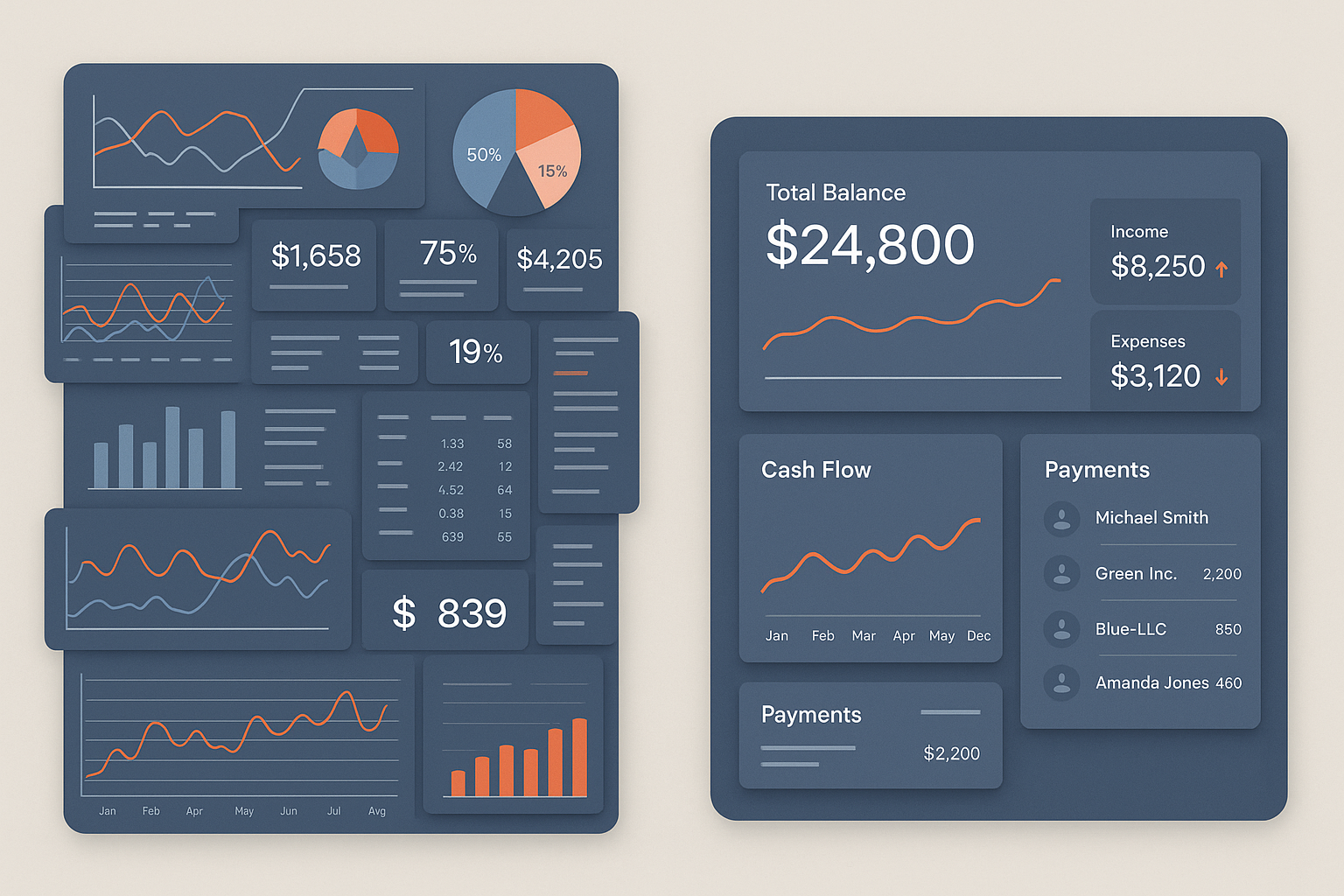
Most mid-market companies view their payment systems as necessary operational infrastructure rather than strategic assets. Yet according to U.S. Bank's 2025 Payments Strategy Report, companies that strategically integrate their banking and payment systems gain significant competitive advantages. These "Payment Innovators" represent only 29% of businesses but consistently outperform their peers across critical metrics including revenue growth, operational efficiency, and customer satisfaction.
What's most overlooked in this conversation is how payment system integration creates tangible negotiating leverage with your banking partners.
Turning Payment Data into Banking Relationship Leverage
Every payment your company processes generates valuable data. When payment systems operate in silos, disconnected from banking relationships, this data remains fragmented and underutilized. By integrating these systems, you gain comprehensive visibility into transaction patterns, processing inefficiencies, and fee structures.
This integrated view transforms routine financial operations into strategic negotiation assets. When approaching banking relationship reviews, companies with integrated payment systems can:
- Identify redundant services and unnecessary fees
- Quantify the cost of processing inefficiencies
- Document transaction volumes across payment channels
- Demonstrate concrete opportunities for improvement
Rather than entering negotiations with general dissatisfaction about banking costs, you arrive with specific, data-backed insights that create leverage for fee discussions and service improvements.
Practical Steps Toward Payment Integration
Becoming a "Payment Innovator" doesn't require a complete system overhaul. Start with these targeted steps:
- Map your payment workflows against your banking services to identify integration opportunities
- Document manual interventions, reconciliation challenges, and redundant processes
- Analyze your transaction patterns to identify potential fee optimization opportunities
- Leverage these insights in your next banking relationship review
The Strategic Advantage Beyond Operations
While operational efficiency is valuable, the strategic advantage comes from using payment innovation as a foundation for banking relationship management. By connecting these traditionally separate areas, mid-market companies can transform payment processes from cost centers into relationship leverage points.
This approach shifts banking conversations from reactive service discussions to strategic partnerships that support your company's growth objectives. When your banking partners understand that you have deep visibility into payment operations and costs, the dynamics of the relationship fundamentally change.
For more insights on payment innovation and its business impact, you can read the full U.S. Bank 2025 Payments Strategy Report.